The Sound We Can't Share: Why Passing Audio Between Friends Became Harder Than It Should Be
August 2, 2026
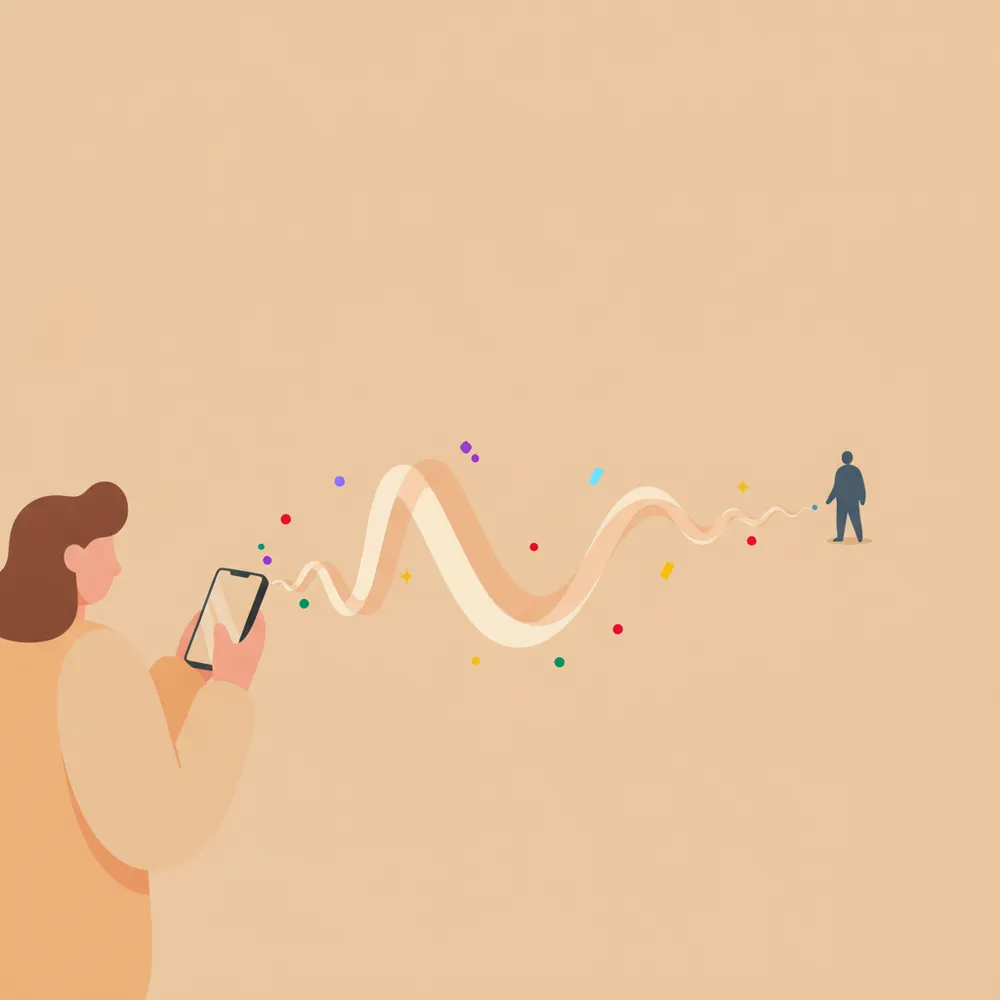
There are sounds that stay with us longer than photographs.
A guitar riff from a night that changed your life. A shaky recording from a concert where you were young enough to scream without shame. A fairy tale your father read into a cheap microphone because he didn’t have time to read it twice. A CD you ripped in 2004, stored in a folder called music_final_real_final2, because you knew you’d want it someday.
These sounds are pieces of us. And yet — in the year 2026 — sharing them with the people we love is almost impossible.
Not metaphorically. Literally.
The old‑recording problem
Let’s say you have a recording from a concert in 1999. A bootleg. A moment. A memory.
It’s been sitting in your phone for years. You listen to it when you need to remember who you were before life became a calendar.
One day you think:
“My kids should hear this. My friends should hear this. Someone should be able to hear this whenever they want.”
So you try to share it.
And suddenly you discover a strange truth:
In 2026, sharing a simple MP3 is harder than sharing a 4K movie.
The Modern Maze of “Just Send It”
You try WhatsApp. It compresses the file into something unrecognizable.
You try Messenger. It refuses to send it.
You try email. It blocks it.
You try Google Drive. It loses the preview.
You try OneDrive. It demands a login your grandma doesn’t remember.
You try Dropbox. It sends a link nobody knows how to open.
You try AirDrop. It works — but only if the person is standing next to you.
You try sending it to your kids. They don’t know where the file went.
You try sending it to your friends. They don’t know how to play it.
You try sending it to your parents. They give up.
And the recording stays where it always was: in your pocket, unheard by the people who matter.
The Playlist You Can’t Share
We live in a world where you can share:
- a Spotify playlist
- a YouTube link
- a TikTok video
- a Netflix recommendation
- a meme
- a photo
- a location
- a calendar
- a shopping list
But you cannot share:
- the CD you ripped
- the MP3 you saved
- the recording you made
- the story your father read
- the concert that shaped you
- the audio that belongs to you
Streaming platforms let you share their content. But not your content.
Your memories are locked behind a wall of technical inconvenience.
The Human Cost of Lost Audio
This isn’t a technical problem. It’s a human one.
Because audio is not just data.
It’s:
- the sound of your youth
- the voice of someone who is gone
- the song that carried you through heartbreak
- the fairy tale your child fell asleep to
- the recording your friend made before life got complicated
- the moment you want to pass on
- the feeling you want someone else to understand
And when you can’t share it, something inside you stays unshared too.
Why We’re Building a Place for Sound
We’re building own.audio for one simple reason:
Because sharing audio should be as easy as sharing a photo. And because memories deserve to be heard.
Upload your recording. Create a playlist. Share it with your kids, your friends, your parents.
They tap. They listen. They smile. They remember.
No ZIP files. No broken links. No cloud drives. No “Where did that file go?” No “I can’t open it.” No “It doesn’t play.”
Just sound. Just memory. Just connection.
The Sound That Travels
Imagine this:
You upload that old concert recording. You send a link to a friend. He listens on the bus. Your kids listen before bed. Your friends listen at work. Your parents listen on a tablet older than your teenage dreams.
And twenty years from now, someone else listens too.
Because the sound didn’t stay trapped in your phone. It traveled. It lived. It became part of someone else’s story.
Final Thought
We live in a world where everything is instant — except the things that matter.
Sharing audio shouldn’t be a technical challenge. It should be a human experience.
A moment passed from one person to another. A memory carried forward. A sound that survives.
Because some recordings aren’t just files. They’re pieces of us.
And they deserve to be heard.